
Posts by Eros Udquin
Is the 90-Day TLS Certificate Already Obsolete? Preparing for 2027
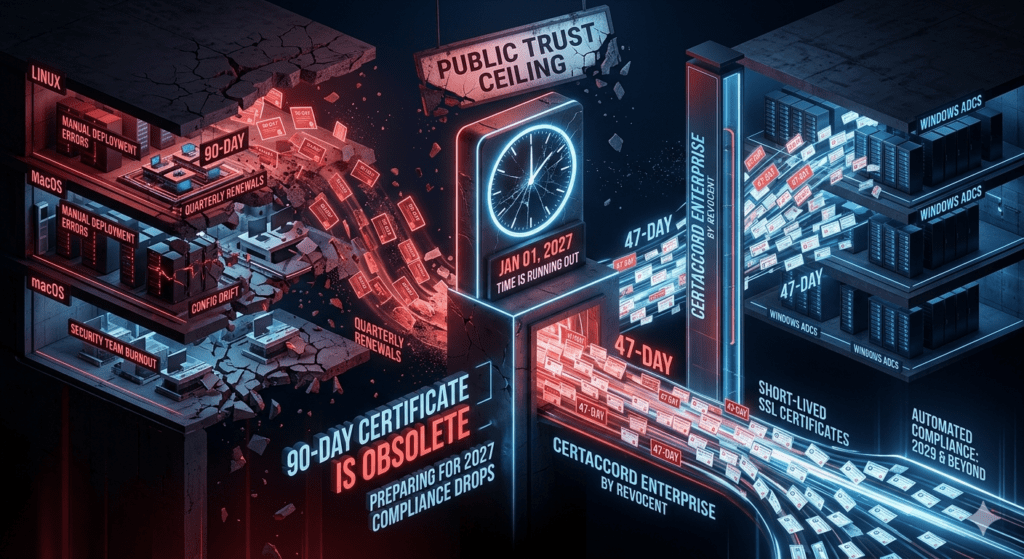
Why the 90-Day Certificate is Already Obsolete: Preparing for 2027 For years, enterprise IT departments viewed the three-month rotation cycle as the gold standard for modern cryptographic hygiene. Driven primarily by automated open-source certificate authorities, the 90-day TLS certificate forced organizations away from legacy, multi-year deployment models, establishing a faster, more secure standard for public-facing…
Read MoreSecurity Team Burnout: How to Avoid Certificate Renewal Stress
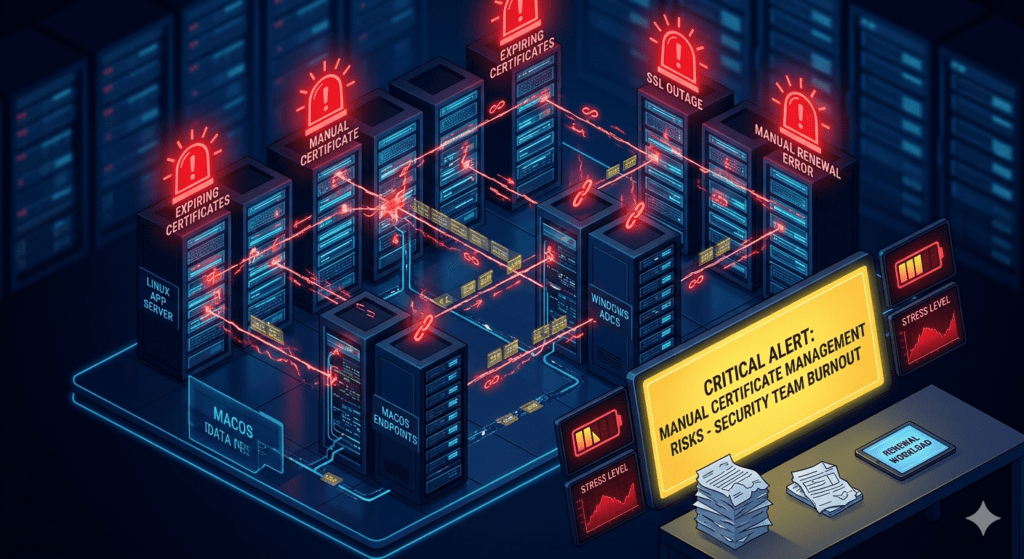
How to Avoid “Certificate Renewal Burnout” in Your Security Team Cybersecurity professionals currently face an unprecedented wave of systemic fatigue. Between triaging active threats, patching zero-day vulnerabilities, and maintaining complex compliance frameworks, organizations stretch their engineering resources incredibly thin. Consequently, one of the most common catalysts for modern security team burnout isn’t a highly sophisticated…
Read More47-Day Certificate Lifespan: Navigating the CA/Browser Forum Timeline

The CA/Browser Forum SC-081 Update: A Timeline for 47-Day TLS The CA/Browser Forum recently transformed the public trust landscape by passing Ballot SC-081v3. This landmark vote establishes a strict, multi-year SC-081 ballot timeline that systematically reduces the maximum allowed validity period for public TLS certificates. Security teams must fundamentally shift their operations to prepare for…
Read MoreSAN Certificate Management: Navigating the 47-Day Window

The SAN Certificate Complexity Trap: Navigating the 47-Day Validity Window Enterprises must fundamentally change their approach to SAN certificate management as the industry moves toward a 47-day maximum validity period. Historically, Subject Alternative Name (SAN) configurations allowed administrators to secure multiple domains under a single umbrella, which simplified licensing. However, as the industry forces the…
Read MoreCryptographic Automation: Securing the PKI Inflection Point
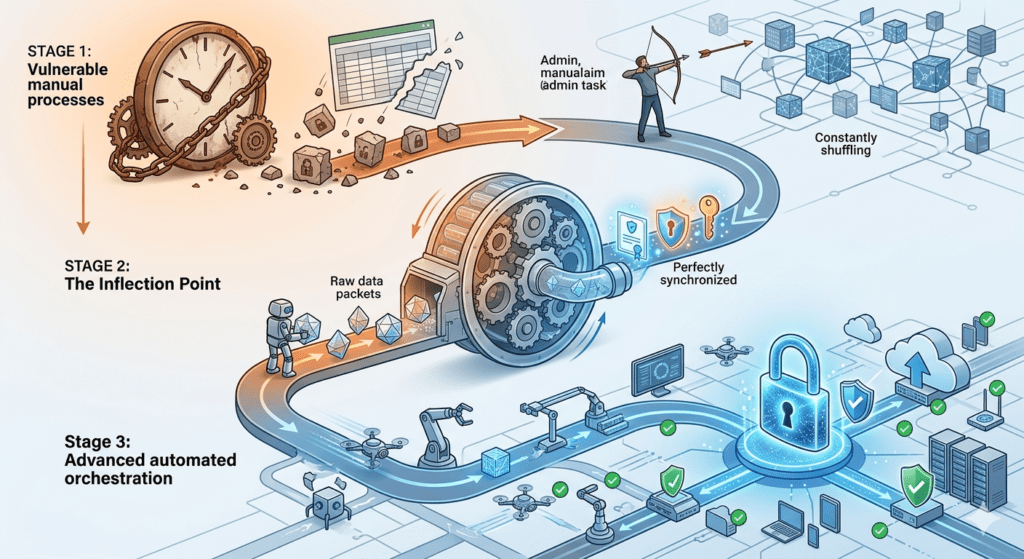
The Great Inflection: Transitioning to Cryptographic Automation The digital landscape has officially reached an inflection point where traditional certificate management methods no longer suffice. For years, IT departments treated digital certificates as static assets—identities you could manage with a spreadsheet and a calendar reminder. However, the modern enterprise network has evolved into a high-velocity environment…
Read MoreQuantum Readiness 2029: Preparing for the Q-Day Shift
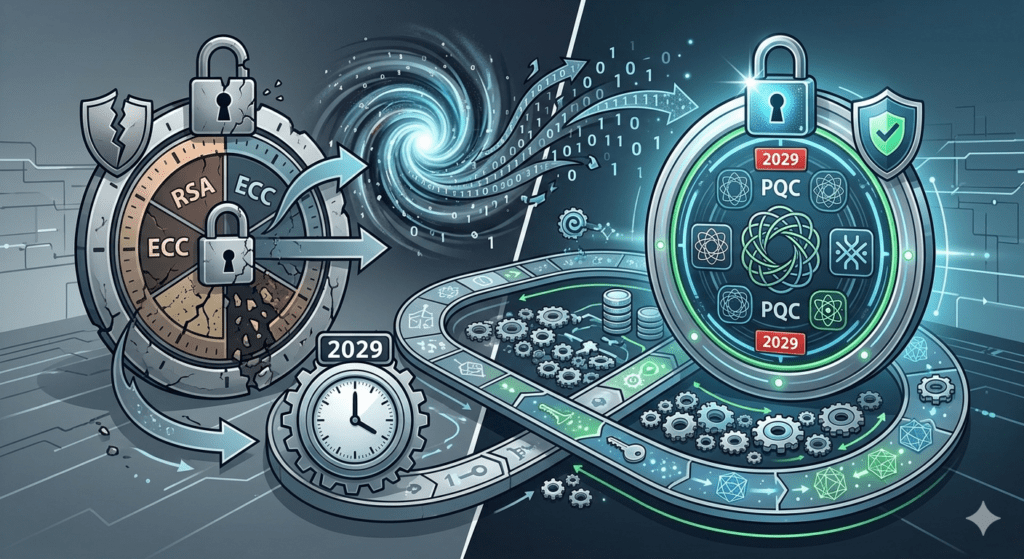
Quantum Readiness 2029: Why the Clock Is Ticking for Enterprise PKI Google recently sent a wake-up call through the cybersecurity community by accelerating its timeline for “Q-Day.” Experts previously viewed the point when quantum computers could shatter modern encryption as a distant problem. However, the new target for quantum readiness 2029 forces enterprises to confront…
Read MoreCertificate Lifecycle Management for Enterprise PKI Efficiency

Certificate lifecycle management acts as the foundation of a secure and stable digital environment. In a modern enterprise, certificates establish trust between every server, application, and internal service. However, without a structured process, this trust becomes a liability. Enterprises often face unexpected outages and security gaps due to poor oversight. Consequently, moving toward an automated…
Read MoreCertificate Expiration Time Is Dropping to 47 Days

The industry is currently undergoing a massive shift in how public trust works. Driven by Google’s roadmap and the CA/Browser Forum, the maximum allowed certificate expiration time for public TLS certificates is shrinking rapidly. Industry leaders plan to reduce this window in stages until it hits just 47 days by March 2029. This change is…
Read MorePKI Security Standards and the New Post-Quantum RFC 9909

PKI security standards continue to evolve as cryptographic risks change. One of the most important updates comes from RFC 9909, an Internet Engineering Task Force specification that defines how post-quantum signature algorithms integrate into existing X.509 certificate structures. For enterprise environments, this PKI standard has a major impact. It specifies the rules of how PQC…
Read MorePKI Management for Continuous Availability

PKI management acts as the silent engine for modern enterprise security. Certificates build the essential “handshake” of trust between internal systems, apps, and services. However, as businesses grow, this web of trust becomes hard to navigate. Without a solid plan, certificates become a liability. Specifically, mismanaged or revoked certificates cause expensive system outages. To keep…
Read More